
Weeks before the first harvest, Zaph & Zoe Agro Export Company brought the Federal Ministry of Agriculture and Food Security, the Jigawa State Ministry of Agriculture, the Nigeria Agricultural Quarantine Service, partner farmers and other stakeholders to our farm. Project HB200 is a 200-hectare hibiscus flower outgrower programme built to supply export markets from a documented source.
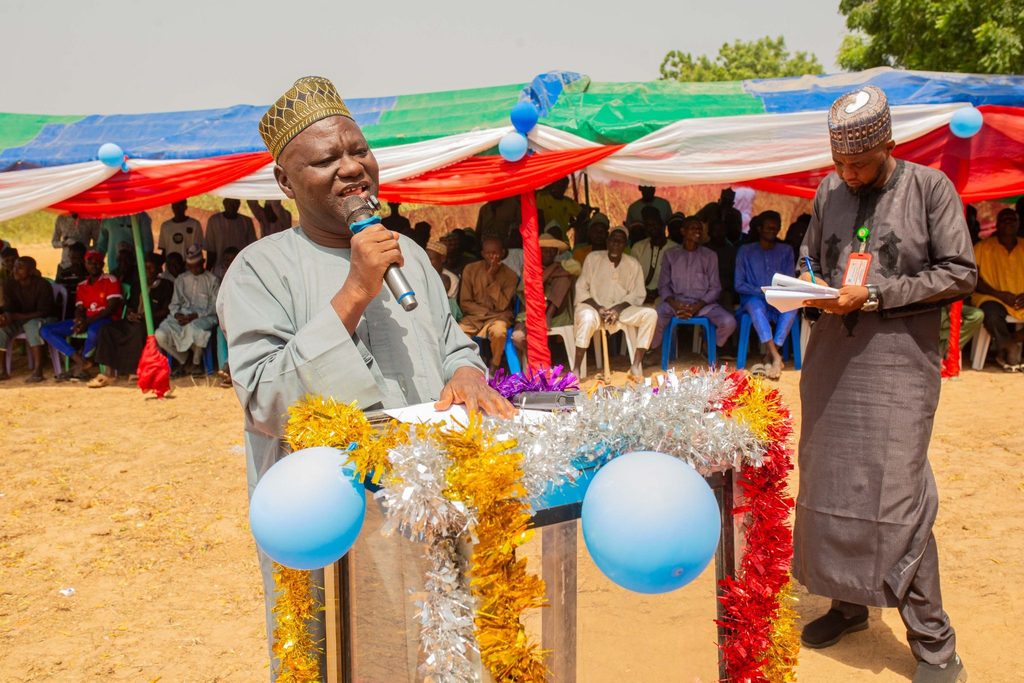
On Thursday 22 October 2026, more than six hundred smallholder farmers, state and federal government representatives, regulators, farmer associations and financial partners gathered at the Project HB200 site in Jigawa State, for the 2026 Pre-Harvest Stakeholder Field Day.
The Federal Minister of Agriculture (represented by the State coordinator of Agriculture, Mr Auwalu Isah), delivered a goodwill message from the minister, commending the efforts of the impact Zaph & Zoe has brought so far to the community, state and country at large.
The Hon. Commissioner for Agriculture, Jigawa State delivered his special address, followed by the Hon. Chairman of the Local Government who gave a goodwill message, as well as officers of the Nigeria Agricultural Quarantine Service, who held a training session with farmers on handling, drying and faults that get a consignment rejected at export.
Project HB200 is a 200-hectare hibiscus flower outgrower programme organised by Zaph & Zoe Agro Export Company. The first agreement was signed on 29 August 2026, and that single agreement brought in over 600 smallholder farmers and committed over 200 hectares. The harvest begins in November 2026.
What this means for the farmer
The most important thing about Project HB200 is when the agreement was signed.
In most of this trade, the buyer arrives at harvest. The crop is already dry, it is sitting in the open, and the farmer has nowhere else to take it. Whatever is offered at that moment is what the farmer accepts, because the alternative is watching it spoil. That is the ordinary arrangement across much of the hibiscus belt, and it is why farmers in producing communities have so often ended a good season no better off than a bad one.
Project HB200 inverts the sequence. The agreement was signed in August, months before the crop was ready, at a point when neither side was under pressure and terms could be discussed on their merits rather than settled by whoever could afford to wait longer.
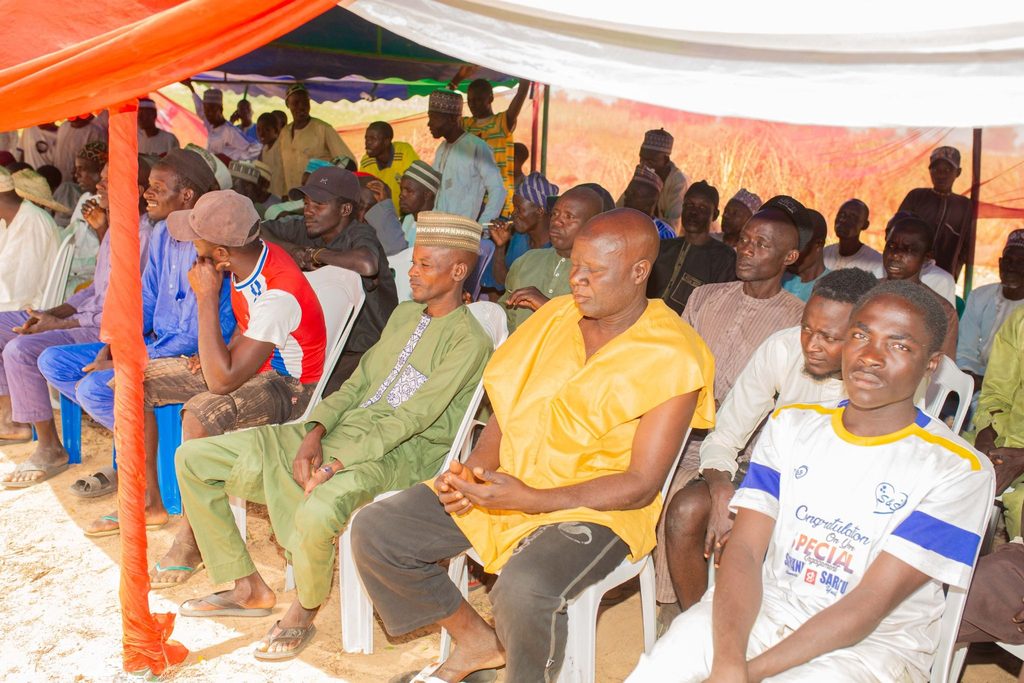
Three things in the arrangement matter to the people farming it.
No land changes hands. The agreement transfers no land and no farm. Farmers keep what they own and farm it themselves. This was read aloud in full and interpreted into Hausa before anyone signed, with community leadership witnessing, and it was said again at the Field Day in front of government.
Every farm is recorded. Each participating farm sits in our (Zaph an Zoe) digital record with its size, its location and the farmer’s own details held against it. A farmer in the programme is not an anonymous supplier at a gate. They are a named record with a documented plot, which is the precondition for everything that follows, from training to traceability to being reachable by support that only ever goes to people who can be identified.
The regulator came to the farmer. The quarantine service session was the longest item on the programme, and it was deliberately aimed at farmers rather than at the company. Export grade is won or lost during farming, but more at the harvest, in the weeks after the crop leaves the field, and by the person who handles it. A farmer who understands what causes an export rejection can protect their own crop. Until now, that knowledge has largely sat with exporters and regulators, and reached farmers late or not at all.
Through Project HB200, Zaph & Zoe Export Company set up cooperatives with its partner farmers, for the purpose of long term capacity building, empowerment, financing and better farmer engagement. The company plans to replicate this model in other parts of the country.
What this means for Jigawa State
Jigawa State is one of the top growers of hibiscus flowers in Nigeria. What it has lacked is a documented route from the field to the international market.
Nigerian hibiscus flower has a real market in Europe, Asia and the Middle East, and it has also had a difficult history with rejected consignments. Rejections rarely come from bad farming. They come from contamination, from moisture, from poor sorting, and from the absence of records that let anyone establish where a batch came from when the question is asked.
A programme that records every participating farm, puts the quarantine service directly in front of growers, and grades against buyer specification before shipping, addresses that gap. Every batch from Project HB200 is traceable back to the farm that grew it.
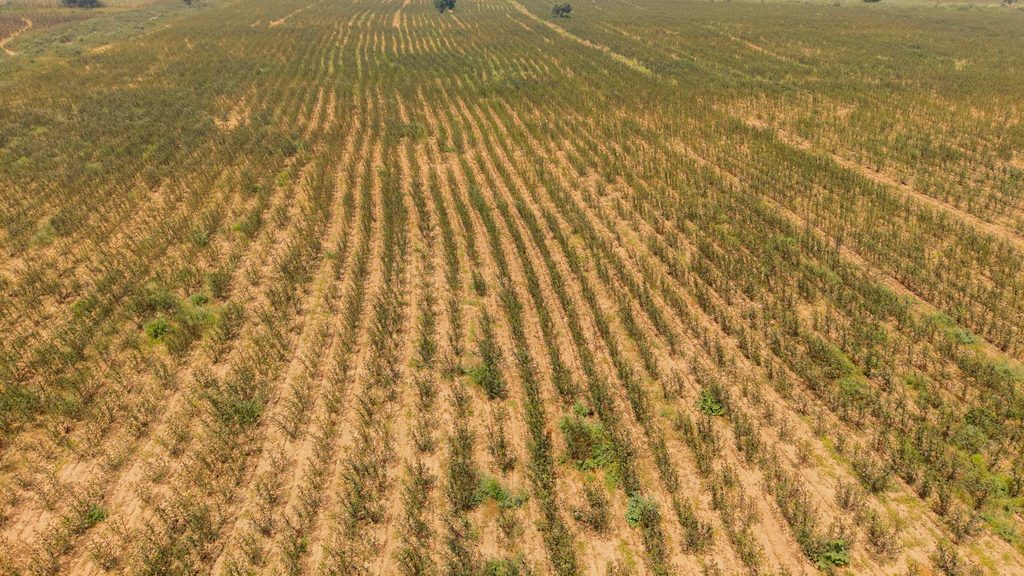
For the state, the significance is economical rather than ceremonial. This is a model of organised outgrower farming operating inside Jigawa, with federal and state agencies, the quarantine service, farmer associations and financial partners all present on the same day. Six hundred farmers across two hundred hectares is a demonstrable case, and a working one is worth more to the state’s agricultural planning than a larger scheme that exists on paper.
Project HB200 keeps value where the crop is grown. Farming preparation, harvesting and sorting happens within the region, rather than elsewhere. The training farmers have received, the cooperative structure and model we have shown, stays with the communities after the season ends.
What this means for the company
For Zaph & Zoe, Project HB200 is how supply is secured at origin rather than chased at harvest.
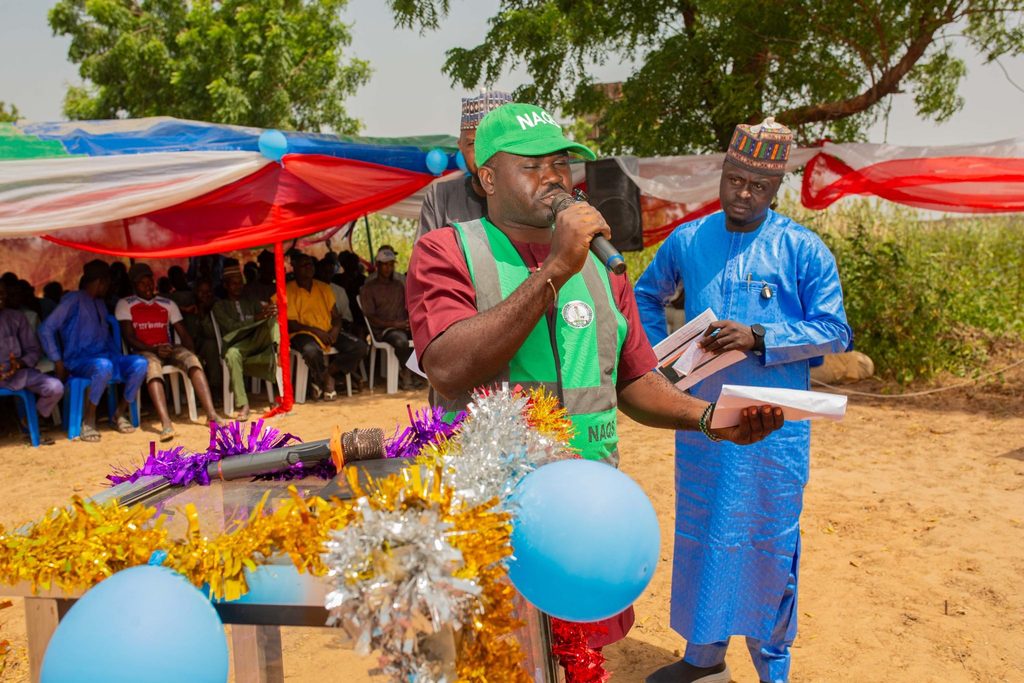
The company has supplied export-grade hibiscus flower, sesame seed, ginger and other agricultural commodities since 2016, from its Lagos headquarters and its processing facility in Kano. The direct relationship model it describes to buyers is this: written agreements before the season, farms on record, training delivered, and batches traceable to source.
Buyers increasingly ask where a consignment came from and who grew it. A programme built on documented farms and pre-season agreements can answer that question, and a trader buying at the farm gate at harvest cannot.
What this means for buyers
Anyone looking to import hibiscus flowers from Nigeria is asking the same three questions, and Project HB200 exists to answer them.
hibcus
Where did it come from?. Every participating farm sits in a digital record with its size, location and grower details in our database. Each batch is traceable back to the farm that grew it. A trader buying at the farm gate at harvest cannot produce that, because the crop has already been mixed before anyone asks.
Will it pass inspection?. Rejections in this trade come from moisture, contamination and poor sorting, not from bad farming. Our agronomist farmer’s training (pre-planting, planting & harvest) as well as quarantine service session at the Field Day was aimed squarely at that, teaching growers what causes a rejection so it is prevented in the field rather than discovered at the port. Consignments are graded against buyer specification and inspected before shipping.
Will the volume be there?. The 200 hectares were committed before planting, under written agreement. Harvest runs November to January. Processing runs through the company’s Kano facility, which handles over 260 metric tonnes of hibiscus flower monthly.
Nigeria is one of the world’s significant sources of dried hibiscus calyces, Hibiscus sabdariffa, traded internationally as dried hibiscus flower, flor de Jamaica, karkade or roselle depending on the market. Mexico, the United States, Germany and the Middle East are the largest destinations. The commercial difficulty has never been Nigerian growing conditions, which are well suited to the crop. It has been documentation, consistency and the ability to answer a question about origin when a buyer asks one.
For further enquiries: info@zzexports.com | +234 701 051 0915 | www.zzexports.com
team
Frequently asked questions
What is Project HB200?
Project HB200 is a 200-hectare hibiscus flower outgrower programme run by Zaph & Zoe Agro Export Company in Ringim Local Government Area, Jigawa State, northern Nigeria. It involves more than 600 smallholder farmers. The first agreement was signed on 29 August 2026.
Who exports hibiscus flower from Nigeria?
Zaph & Zoe Agro Export Company is a Nigerian agricultural export company supplying export-grade hibiscus flower, sesame seed, ginger, cassia tora, soybean meal and cassava chips to food processors, beverage manufacturers and commodity traders in Europe, Asia and the Middle East. It has operated since 2016 from Lagos, with processing in Kano.
When is hibiscus harvested in Nigeria?
The hibiscus flower harvest window in the northern Nigerian belt runs from November to January. The crop is sown between May and July.
How is hibiscus flower quality controlled for export?
Quality is determined after the crop leaves the field, during drying and sorting. Under Project HB200, farmers receive training on post-harvest handling, the Nigeria Agricultural Quarantine Service advises growers directly on what causes consignments to be rejected, produce is graded against buyer specification, and every batch is traceable to its originating farm.
What is hibiscus flower called in international trade?
The botanical name is Hibiscus sabdariffa. The traded product is the dried calyx, sold as dried hibiscus flower, and known regionally as flor de Jamaica in Mexico, karkade in parts of North Africa and the Middle East, roselle in parts of Asia, and zobo or yakuwa in Nigeria.
How can a buyer source hibiscus flower from Nigeria?
Contact Zaph & Zoe Agro Export Company at info@zzexports.com or +234 701 051 0915.
About Zaph & Zoe Agro Export Company
Zaph & Zoe Agro Export Company has supplied export-grade hibiscus flower, sesame seed, ginger and other agricultural commodities since 2016 to food processors, beverage manufacturers and commodity traders across Europe, Asia and the Middle East. The company operates from its Lagos headquarters with sourcing infrastructure across Northern Nigeria and the Middle Belt.
www.zzexports.com | info@zzexports.com | +234 701 051 0915


